
Where To Put Lead Tape On Golf Clubs
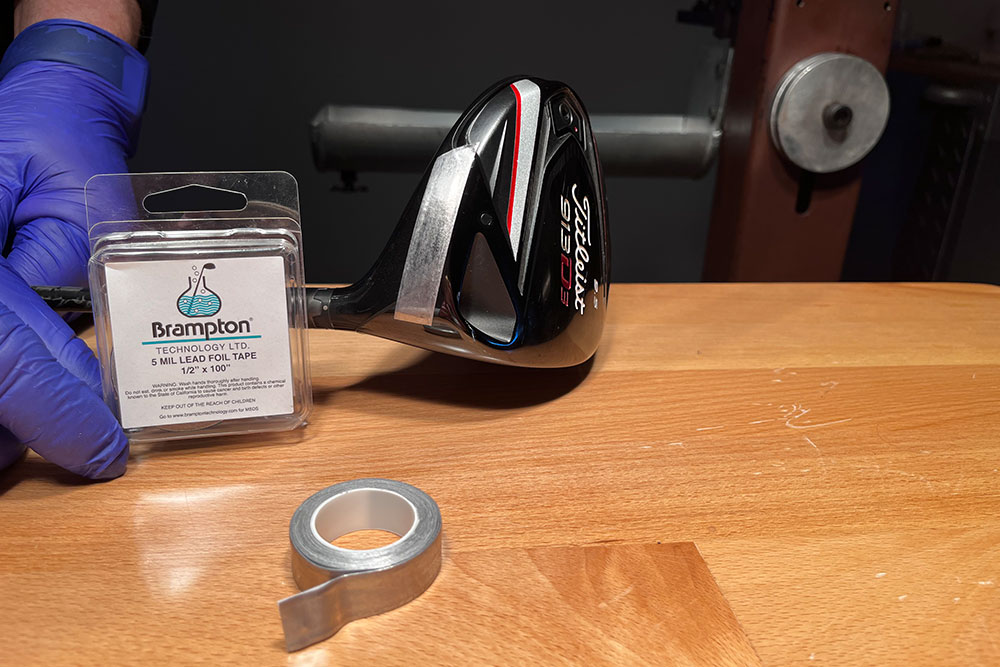
Understanding where to put lead tape on golf clubs can reshape how a club performs without changing shafts, heads, or swing technique. Lead tape allows targeted weight adjustment that influences launch, spin, shot shape, and overall feel.
Club builders and skilled golfers use it to correct misses, fine-tune balance, and adapt equipment to changing conditions. When applied with intent, lead tape becomes a precise tuning tool rather than a temporary fix.
This guide explains how placement affects performance, why subtle changes matter, and how thoughtful adjustments lead to more predictable results on the course.
Why Lead Tape Remains a Trusted Adjustment Tool
Modern clubs often include adjustable weighting systems, yet lead tape remains widely used across amateur and professional levels. Its appeal comes from flexibility and immediacy. Lead tape allows small, controlled weight changes without permanent modification, which makes it useful for testing performance adjustments before committing to hardware changes.
One inch typically adds close to two grams, translating into a noticeable swingweight change and altered head feel. Because of this precision, many builders rely on Brampton golf lead tape to refine balance and flight characteristics without altering shafts or club heads.
How Weight Placement Influences Ball Flight
Every golf club has a center of gravity that governs how the head behaves through impact. Adding weight changes how the face closes, how the ball launches, and how forgiving the strike feels. Placement matters more than total weight in most cases.
Weight positioned closer to the face lowers launch and spin while reducing forgiveness. Weight moved toward the rear increases launch, spin, and stability. When adjustments extend beyond tuning and involve head or shaft installation, builders transition from tape to structural bonding. In those cases, Brampton golf club epoxy creates a secure bond designed for repeated impact and vibration.
Placing Lead Tape on the Rear of the Club Head
Positioning lead tape toward the rear portion of the sole pulls the center of gravity backward. This placement increases launch and spin while improving forgiveness across the face. Many players use this adjustment when shots fly too low or lose carry distance.
Rear placement also stabilizes the club head during off-center strikes. Mishits retain more ball speed and direction, which benefits players seeking consistency rather than aggressive shot shaping. This location works well for drivers and fairway woods where forgiveness and launch play a larger role.
Placing Lead Tape Near the Face
Lead tape placed closer to the face moves the center of gravity forward. This adjustment lowers launch and reduces spin, producing a more penetrating ball flight. Players who see excessive spin or ballooning shots often explore this placement.
This location reduces forgiveness, which places greater importance on center contact. For stronger players with consistent impact patterns, forward placement can tighten dispersion and improve control in windy conditions. Smaller amounts work best here, since excessive weight can make the club feel heavy through impact.
Heel Placement for Draw Bias
Heel-side placement encourages the club face to close more readily during the swing. This adjustment suits players who fight a slice or struggle to square the face. The added mass in the heel shifts rotational dynamics, allowing the toe to release more freely.
Many tour technicians use heel weighting in small increments to dial in shot shape without changing lie angle. This placement works on drivers, fairway woods, and even some hybrids. Moderation matters, as excessive heel weight may overcorrect and introduce a hook.
Toe Placement for Fade Bias
Placing lead tape on the toe restricts how quickly the toe closes through impact. This adjustment benefits players who fight a hook or prefer a controlled fade. Toe weighting keeps the face open slightly longer, which reduces left-side misses for right-handed players.
This placement also suits players with strong hand action who struggle with timing. As with heel placement, small adjustments yield the most useful feedback. Too much toe weight can make the club feel sluggish during transition.
Center Sole Placement to Increase Head Weight
Sometimes the goal involves feel rather than ball flight. Adding lead tape to the center of the sole increases overall head weight without significantly shifting the center of gravity laterally. This placement raises swingweight while keeping flight characteristics largely intact.
Players often use this method to restore feel after shortening a club or changing grips. It also helps golfers who lose awareness of the club head during the swing. Center placement offers a neutral adjustment that focuses on balance rather than shape correction.
Using Lead Tape on Irons and Wedges
While drivers receive most attention, lead tape also plays a role in iron and wedge fitting. On irons, tape near the back cavity increases forgiveness and improves feel at impact. Blade irons benefit from subtle tape placement behind the sweet spot to add mass without altering shape.
On wedges, players adjust head weight to control tempo and distance control. Additional mass can smooth out short swings and improve consistency around the greens. Because wedges already carry higher head weight, smaller increments work best.
Testing and Fine-Tuning Adjustments
Lead tape invites experimentation. Changes should occur incrementally, followed by testing on the range or course. Observing launch, spin, and directional tendencies guides further adjustment.
Removing or repositioning tape remains simple, which encourages refinement over time. This testing process often reveals that less weight achieves better results. Patience and observation lead to more reliable outcomes than large, immediate changes.
Securing Lead Tape for Long-Term Use
Proper adhesion keeps tape in place during play. Clean, dry surfaces improve bond strength. Pressing tape firmly into contours reduces the chance of peeling. Some players cover tape with a thin layer of protective tape for added security.
Build With Confidence Using Brampton Technology

Small adjustments make a measurable difference in how a club performs. When precision matters, using trusted materials and expert guidance helps players turn experimentation into lasting improvement.
At Brampton Technology, we design materials that club builders trust for real-world adjustments. From lead tape used to fine-tune ball flight to epoxy engineered for lasting bonds, our focus stays on performance, consistency, and value.
If you have questions about selecting the right materials for your build or adjustment, contact us and speak with people who understand how these details affect play.