
Top Epoxy Adhesive Uses You Should Know

Modern equipment relies on materials that bond under stress, resist moisture, and hold form across temperature changes. That is why epoxy remains a trusted solution across skilled trades and recreational industries. From precision golf club assembly to marine repairs and home projects, epoxy adhesive uses continue to expand through refined chemistry and controlled curing.
This article explores how epoxy functions in real applications, why formulation matters, and where performance differences appear. Golf club builders, boat owners, and hands-on users gain clarity on how epoxy supports strength, longevity, and consistency without unnecessary complexity.
Why Epoxy Adhesives Stand Apart
Epoxy differs from general adhesives due to its two-part structure and chemical reaction during cure. Resin and hardener combine to form a rigid bond that resists shear, vibration, and moisture exposure. Unlike single-part glues, epoxy does not rely on air drying. The bond forms through a controlled reaction that creates structural integrity across bonded surfaces.
This chemistry allows epoxy to perform under repeated stress. In golf clubs, swing forces transfer through the shaft into the club head at high speed. In marine settings, water pressure and temperature shifts challenge weaker bonds. Epoxy handles these demands with consistent results when mixed and applied correctly.
Epoxy Adhesive Uses in Golf Club Assembly
Golf club construction demands precision. Shaft alignment, head attachment, and long-term durability all depend on bond quality. Epoxy adhesive uses in golf focus on securing club heads to shafts while maintaining feel and balance.
Golf-specific epoxy accounts for swing speed, torque, and vibration. It also supports controlled cure times that allow proper alignment before set. Faster cure formulas suit quick repairs, while extended cure options suit full builds where accuracy takes priority.
We recommend using Brampton golf club epoxy for club assembly because it is engineered for golf-specific stress and impact demands.
Shaft Replacement and Club Head Installation
Shaft replacement requires a clean bond surface and epoxy that resists fatigue. During impact, micro-movements occur at the hosel. Epoxy fills surface gaps and locks the shaft in place without brittle failure.
Club builders rely on epoxies that maintain strength without adding excess weight. Consistent mix ratios and predictable cure windows allow repeatable results across iron sets and wood builds.
Epoxy Use in Grip-End Repairs and Modifications
Epoxy plays a role in grip-end repairs such as counterweight installation or butt extensions. These applications demand strong adhesion in confined spaces with limited surface area. Epoxy spreads evenly, cures reliably, and resists loosening over time.
Grip solvent handles grip installation, while epoxy manages structural modifications that affect length or balance. This clear division of function keeps each product focused on its intended task.
Marine Epoxy Adhesive Uses
Marine environments demand adhesives that resist constant moisture, salt exposure, and movement. Epoxy performs well in this setting due to its water resistance and bond stability.
Boat owners use epoxy for hull repairs, hardware mounting, and fiberglass reinforcement. Marine epoxy fills cracks, bonds dissimilar materials, and seals surfaces against water intrusion. Cure stability prevents softening under heat or prolonged exposure.
Epoxy adhesive uses in marine work often extend beyond repair into reinforcement. Layers of fiberglass cloth saturated with epoxy restore structural integrity without full replacement.
Epoxy for DIY and Household Projects
Epoxy has earned a place in workshops and garages due to versatility. DIY users rely on epoxy for bonding metal, wood, plastic, and composites. Furniture repair, tool restoration, and home fixtures benefit from epoxy strength.
Unlike fast-setting household glues, epoxy allows working time for alignment and surface contact. Once cured, the bond withstands load and vibration better than most alternatives.
Clear epoxy formulas also support cosmetic repairs where appearance matters. Users fill cracks or rebuild chipped surfaces without visible seams after sanding and finishing.
Surface Preparation Shapes Epoxy Performance
Bond strength depends heavily on preparation. Clean, dry surfaces allow epoxy to contact material directly. Oils, dust, or residue interfere with adhesion and reduce lifespan.
In golf club work, removing old epoxy and debris from hosels improves bond consistency. In marine and DIY projects, light abrasion increases surface area and mechanical grip.
Mix accuracy also matters. Incorrect ratios lead to incomplete cure or brittle bonds. Measuring and thorough mixing support predictable outcomes across applications.
Cure Time and Application Control
Epoxy adhesive uses vary by cure speed. Quick-set epoxies suit rapid fixes, while longer cure options support precision builds. Temperature affects cure behavior, with cooler conditions extending set time.
Users should allow full cure before placing load on the bond. Partial sets may feel firm yet lack internal strength. Patience during cure protects long-term performance.
Maintenance Around Bonded Equipment
Bonded components last longer with proper care. In golf, clean grips reduce torque stress transferred into the shaft and head. We recommend using Brampton’s golf grip cleaner to maintain grip traction and reduce excess hand pressure that affects golfers over time.
In marine use, rinsing salt residue from bonded areas limits surface degradation. For DIY projects, avoiding prolonged heat exposure protects cured epoxy from thermal stress.
Common Mistakes That Reduce Epoxy Effectiveness
Several issues shorten epoxy lifespan. Incomplete mixing leaves soft spots within the bond. Excess epoxy trapped without airflow may cure unevenly. Movement during cure disrupts bond formation.
Using general-purpose epoxy in specialized applications also leads to failure. Golf clubs and marine repairs demand formulations built for stress and environment. Matching epoxy type to use case improves reliability.
Why Epoxy Continues to Replace Mechanical Fasteners
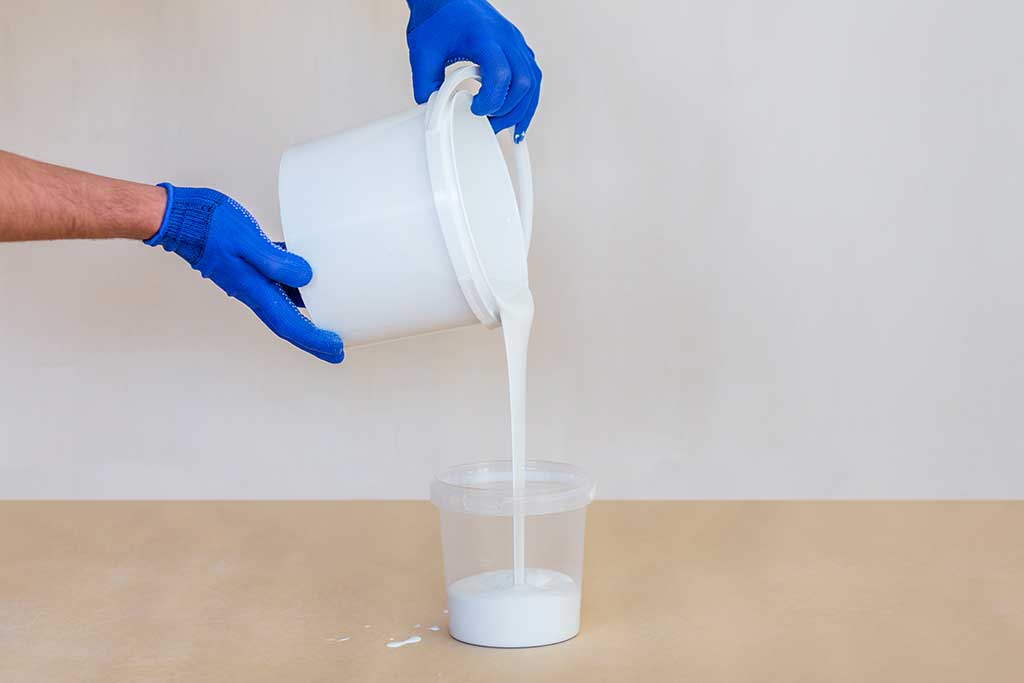
Epoxy reduces reliance on screws, rivets, and welds. Bonded joints distribute load evenly across surfaces rather than concentrating stress at single points. This reduces cracking and fatigue.
In golf, epoxy eliminates rattles and maintains swing feel. In boats, it seals without introducing new leak paths. In DIY projects, epoxy simplifies repairs without specialized tools.
Designed for Real-World Performance by Brampton Technology
Across industries, epoxy continues to replace mechanical solutions by delivering strength, stability, and long-term reliability in demanding conditions.
At Brampton Technology, we develop epoxy and grip solutions based on real build experience. Our products reflect decades of hands-on club making and chemical engineering. From golf club epoxy to grip care, we focus on consistency, safety, and cost control.
If you have questions about selecting the right solution for your project, contact us and speak with a team that understands how these materials perform in the field.