
How To Clean Your Golf Grips
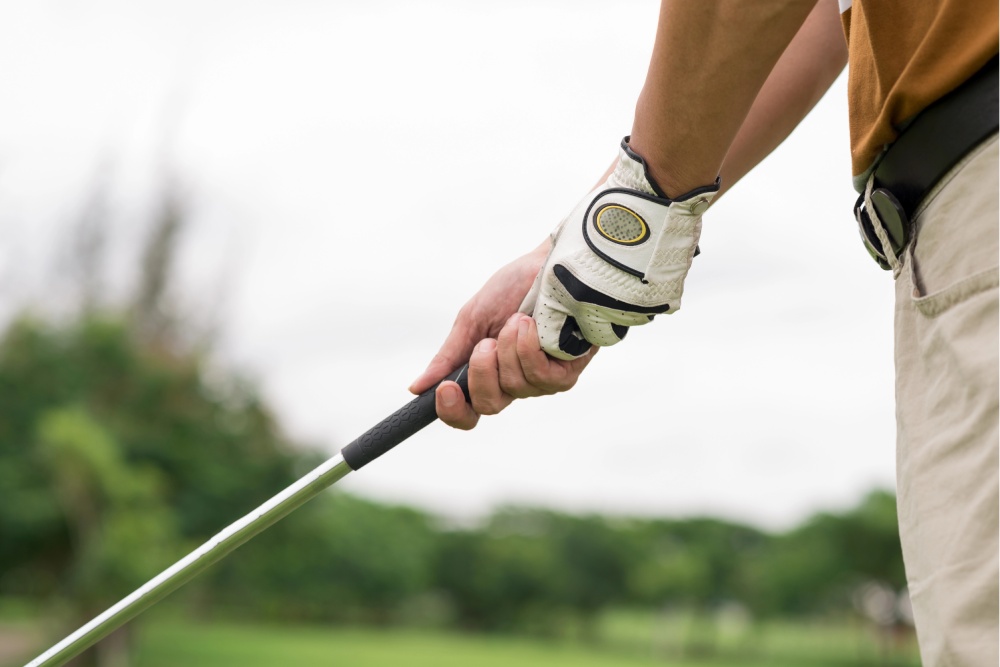
Clean golf grips help you maintain control and confidence with every swing. Dirt, sweat, and sunscreen can build up on the surface during practice or a full round, which makes a club feel slippery and unpredictable. A simple routine keeps your equipment feeling fresh so your focus stays on the fairway instead of worrying about your hands slipping.
Golfers often feel unsure about the proper cleaning process or how often it should be done, so this task gets overlooked. This guide shows you how to clean golf grips with easy steps that fit into your schedule.
What You Need to Clean Your Golf Grips
Cleaning golf grips at home feels simple when you start with the right product. Brampton Grip Cleaner is designed to lift dirt and oils and help restore tackiness, and it’s made to work on all grips. A clean towel or microfiber cloth helps you wipe away buildup and dry the grip thoroughly.
Another option is using warm water to help loosen heavier grime. Mild dish soap is an optional backup if you’re doing a more traditional scrub-down. A soft brush or old toothbrush can reach into grip texture without harming the surface.
- Step-By-Step Cleaning Method
You deserve grips that feel ready for every round because nothing should interrupt your focus when lining up a shot. This step-by-step process gives you a simple way to refresh your grips so they feel tacky and reliable again.
- Inspect the grip condition first: Check for cracks, tears, or shiny areas that look worn down. If the grip mainly feels slick from oils, dust, and everyday buildup, a cleaning session can improve feel.
- Clean with Brampton Grip Cleaner: Apply Brampton Grip Cleaner to a cloth or directly on grip and wipe the grip from top to bottom, rotating the club as you go so every side is covered. Focus extra attention on textured areas where oils and grime collect, since the cleaner is intended to lift dirt and oils and help restore tackiness.
- Dry fully: Use a clean towel to dry the grip thoroughly. Let it air-dry a few minutes before playing to keep the surface feeling secure.
Optional: deeper clean when needed: If the grip has heavy buildup, use warm water and mild dish soap with a soft brush for a more intensive clean. Then rinse carefully with the grip angled downward to avoid water entering the shaft. Dry completely afterward.
Quick-Clean Tricks for Busy Golfers
Some days you just want to get to the first tee without adding a long routine. For the fastest refresh, use Brampton Grip Cleaner as a spray-and-wipe solution so you can remove sweat and oils quickly and keep the grip feeling tacky. This habit fits easily after a round, at the range, or right before a tee time.
If you’re traveling, wipes can work in a pinch. Still, a dedicated cleaner is usually the more consistent option for grip feel because it’s designed for the job.
What NOT To Do When Cleaning Grips
Grips can lose their strength faster when exposed to cleaning products that are too strong. Harsh chemicals strip the material of its natural texture and create a slippery feel that can change your swing. Abrasive scrubbers can damage the surface as well, leaving the grip uneven in your hands.
Avoid soaking the entire club in water because moisture can travel into the shaft and cause internal problems later on. Keep the cleaning focused only on the grip area. Soft, steady cleaning is always better than aggressive scrubbing. Pay attention to how the grip reacts as you clean it.
Choose a non-toxic and PFAS & ammonia-free golf grip cleaner, so routine cleaning doesn’t rely on harsh chemical choices.
How Often Should You Clean Your Golf Grips?
Regular cleaning helps your grips stay ready for every swing. If you play often, a good rule is to clean them every five to ten rounds because oils and dirt collect quickly during frequent play. Humid weather can make grips feel slick even faster, so you may want to clean them more often in the summer months.
A simple wipe after each round slows down buildup and keeps the surface feeling tacky. Pay attention to how the grips feel when you swing because that can guide your routine. When your hands start slipping or the texture looks dull, it is time for a clean.
When Cleaning Isn’t Enough, Knowing When to Replace Grips
Cleaning can restore grip feel, but every grip has a lifespan that eventually reaches its limit. If the surface turns smooth or shiny and still feels slippery after a proper cleaning, the material is likely worn down. Cracks or small tears mean the grip no longer supports your hands the way it should.
You might also notice the club twisting slightly during your swing, which affects accuracy. When these signs appear, replacing the grip protects your control and helps you stay confident through every shot. When you do replace grips, use quality golf grip tape and golf grip solvent to help the new grip install securely and consistently.
Keep Your Grips Game-Ready and Your Confidence High
At Brampton Technology, we support golfers who want their equipment to stay in top form. Start with Brampton Grip Cleaner to lift dirt and oils and help restore tackiness, so grips feel secure round after round.
If it’s time for a full refresh, grip tape and regripping supplies help complete the upgrade. Ready to improve grip feel? Shop Brampton Grip Cleaner and make it part of your regular bag routine.