
How Often Should You Replace Your Golf Grips?
Golfers spend years refining tempo, dialing in distances, and choosing the right shafts or ball, yet the one component that is touched on every swing often fades into the background. Grips sit quietly between hands and club, absorbing heat, moisture, pressure, and friction across countless rounds.
Over time, that exposure changes how a club feels and performs, sometimes so gradually that the cause of inconsistency goes unnoticed. Understanding how often to replace golf grips helps remove a hidden variable that can influence scoring far more than many players realize.
At Brampton Technology, our background in club building and golfing ourselves has shown us that grip condition shapes the entire playing experience. Before focusing on timelines or tools, it helps to understand how grips wear, what that wear feels like, and why replacement often makes a bigger difference than players anticipate.
How Often Should You Replace Golf Grips?
Most recreational golfers reach the point of replacement after roughly forty rounds of play, which usually aligns with a yearly cycle for players who tee it up regularly. Practice sessions count as well since repeated swings at the range generate the same friction and pressure patterns as on-course play.
Tour professionals operate on a much shorter schedule, sometimes changing grips every six to eight weeks. However, that pace reflects near-daily use and demanding conditions rather than a realistic model for most golfers.
Climate and habits play a major role in how quickly these grips age. Hot summers, high humidity, and frequent sunscreen use accelerate deterioration by breaking down rubber compounds and polishing away surface texture. Players in cooler regions may slightly extend grip life, though feel remains the most reliable indicator regardless of geography.
Periodically cleaning grips can slow the aging process by removing dirt and oils that accumulate over time. Products designed specifically for grip maintenance, such as a dedicated golf grip cleaner, can help preserve traction without damaging the material. Cleaning extends useful life, but cannot reverse wear once the texture has disappeared.
Visual Clues that Signal Grip Wear
A quick inspection reveals more than many golfers expect. Shiny or glossy patches along the grip often appear first in high-contact areas where thumbs and palms apply pressure. That sheen indicates surface texture has worn away, even if the grip still looks intact from a distance. Cracks, splits, or thinning rubber signal advanced wear that has already affected performance.
Color changes offer another valuable clue. Healthy grips display consistent color and texture from top to bottom. Fading or uneven tones usually suggest the compound has dried out due to heat exposure or age. Many golfers wait until visible damage appears before replacing grips, though performance typically declines well before that stage.
What Worn Grips Do to Your Swing
Grip condition influences grip pressure before anything else. As traction fades, hands instinctively tighten to maintain control, introducing tension into the wrists, arms, and shoulders. That tension alters tempo and disrupts sequencing, often without the player realizing why timing feels off.
Ball-striking consistency tends to suffer next. A grip that allows even slight movement during the swing can change face angle at impact, leading to subtle misses that add up over eighteen holes. Many golfers attribute these results to swing flaws or fatigue, overlooking the role grip wear plays in consistency.
Feedback also diminishes as grips age. Fresh grips transmit impact more clearly through the shaft, allowing players to sense strike quality. Worn grips mute that sensation, creating a dull or vague response that can make solid contact harder to recognize.
Environmental and Usage Factors
Heat remains one of the biggest accelerators of grip wear. Extended summer rounds, combined with sunscreen and sweat, accelerate the breakdown of rubber materials. Range sessions add up quickly because repeated swings wear down the same pressure points, especially in scoring clubs.
Storage habits influence longevity as well. Clubs left in hot car trunks or garages age faster than those stored indoors. Small changes to care routines can extend the life of grips, though eventual replacement remains unavoidable.
Replacement Timing that Makes Sense
An annual replacement schedule works well for most golfers and helps them maintain consistency throughout the season. Players with lighter schedules may extend that window slightly, though performance cues remain more reliable than the calendar.
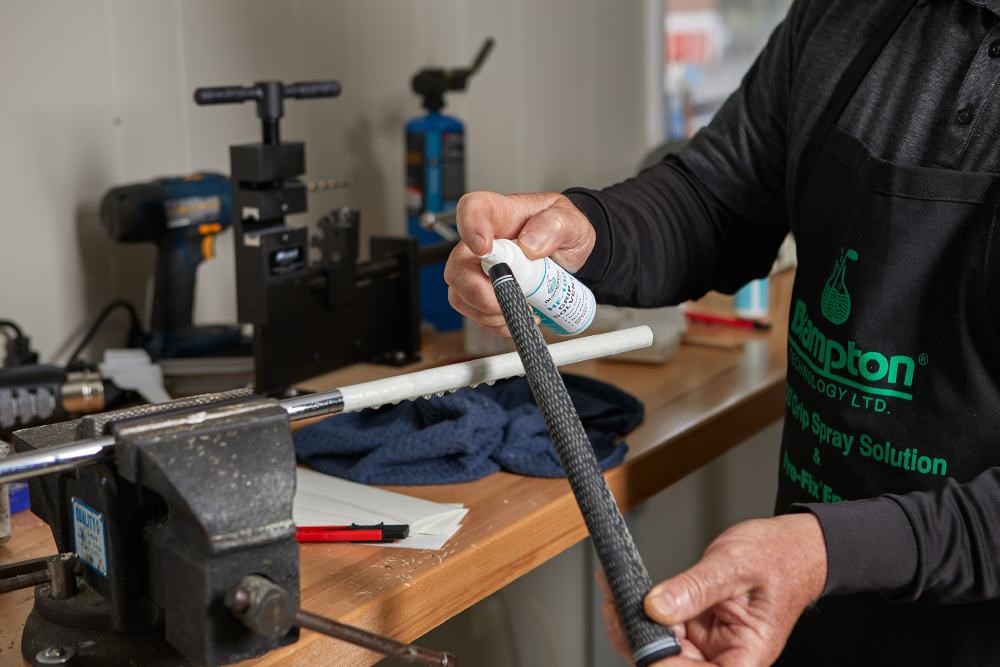
Certain clubs wear faster than others. Wedges and short irons see more swings, which explains why partial replacements make sense for golfers comfortable with basic regripping. DIY regripping allows you to make changes on your own schedule without waiting for shop turnaround.
Home regripping also reduces long-term costs. A complete golf grip kit with tape and solvent makes the process approachable for players willing to learn the basics. Many prefer this route since it allows individual grips to be replaced as needed rather than committing to a full set at once.
Cleaning Versus Replacing
Cleaning temporarily restores surface traction, but it cannot rebuild worn texture. If grips regain tack after cleaning and hold it through several rounds, useful life remains. Slickness that returns quickly after washing usually signals that replacement time has arrived.
Grip material wears from the outside inward. Once that outer layer disappears, no amount of cleaning will restore it. At that point, replacement protects swing mechanics and feels more effective than continued maintenance.
Installation quality matters as well. Proper solvents allow grips to slide on easily and seat correctly, which influences long-term performance. Attention to this detail shows up later when grips maintain a consistent feel through countless rounds.
The Real Cost of Waiting Too Long
Worn grips can quietly cost several shots per round, not by producing obvious misses, but by introducing subtle mishits, increasing tension in the swing, and gradually eroding confidence at impact.
Fresh grips remove one variable from the swing equation. Hands relax, tempo improves, and the club feels predictable again. Those small improvements accumulate across a round, which explains why grip replacement often delivers noticeable gains without changing any other equipment.
Playing Better Through Smart Grip Care
Grips form the direct connection between the golfer and the club, making their condition impossible to ignore for long. Regular inspection, sensible cleaning, and timely replacement protect performance and preserve feel throughout the season. At Brampton Technology, our focus on grip care products comes from decades of real-world experience building clubs and working with quality materials.
Contact us to get guidance tailored to your game and playing conditions. Take a quick look at your grips before you head out to the course.