
How Does Grip Size Affect Golf Swing?
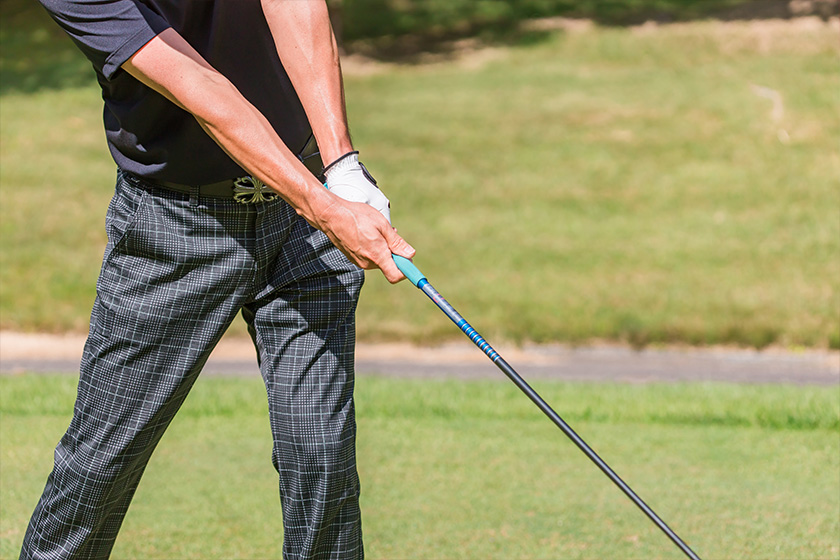
When it comes to fine-tuning your golf game, grip size is one of the most underestimated factors. At first glance, a grip may seem like a minor part of the club, but it has a significant impact on how you swing, strike, and control the ball.
In this article, we’ll answer an important question: how does grip size affect golf swing? From hand action to shot shape, grip size can either support your natural movements or work against them. Understanding this can help you swing more confidently and play more consistently.
At Brampton Technology, we recognize how subtle details influence performance on the golf course. With decades of experience assisting golfers and clubmakers worldwide, we have seen firsthand how adjusting golf club components such as grip, shaft, and club heads with high-quality golf grip solvents and epoxy, can transform a player’s game.
The Science Behind Grip Size
Your grip is the only connection between you and the club. It is more than just comfort; it acts as a mechanical interface that affects your hand action, timing, and overall control. Grip size changes how your hands move during the swing and how easily you can square the clubface at impact.
Standard grip sizes are typically based on hand size, but that is only a starting point. A grip that is too small often leads to excessive hand movement. This extra activity frequently causes the clubface to close too quickly, resulting in hooks. Conversely, grips that are too thick can limit natural hand movement, which may cause slices because the clubface does not close in time.
This creates a chain reaction. Grip size influences swing path, tempo, and even the feel of the club in motion.
Overactive vs. Underactive Hands
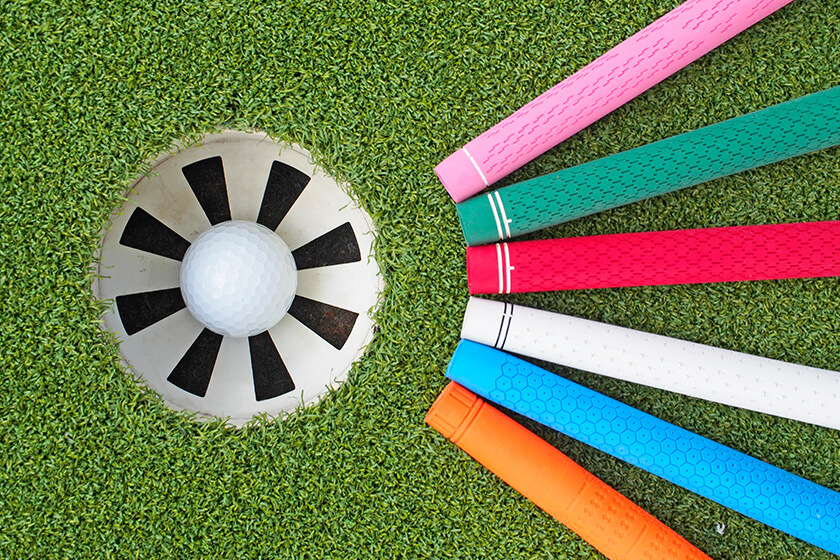
To understand how grip size impacts swing outcomes, consider two extremes: overactive and underactive hands.
If the grip is too small for your hands, your fingers often wrap around the shaft too tightly. This can encourage excessive wrist hinge and lead to a “handsy” swing. While some players prefer this style, most find it increases inconsistency in ball flight. It becomes harder to repeat the same swing when the hands are overcompensating.
On the other hand, an oversized grip can make your hands feel detached from the club. It requires more effort to release the club properly, often resulting in a block or push. Shaping shots can become difficult, especially if you rely on wrist rotation to add spin or curve.
The goal is balance. Choose a grip size that supports your swing without changing your natural mechanics.
Swing Weight and Grip Size
Many players overlook an important detail: grip size affects the swing weight of the club. Increasing the grip diameter adds material to the butt end of the club, which shifts the balance point closer to your hands. This change makes the clubhead feel lighter, even though the overall weight of the club remains the same.
This adjustment can influence your tempo and rhythm. Some golfers prefer the sensation of a heavier clubhead for greater control. Meanwhile, others benefit from a lighter head that allows faster swing speeds.
Changing grip size means altering the feel of the club, which is why it is important to test grip fittings rather than simply guessing.
Tour Player Preferences
Professional golfers are known for customizing every detail of their clubs, including grip size. While some use standard grips, many choose custom setups by adding layers of tape beneath the grip to reach the exact thickness they want.
For example, a player might wrap four layers of tape under the lower hand’s grip to encourage a stronger grip without switching to midsize or jumbo grips. Some professionals even use different grip sizes across their set of clubs, a practice rarely seen in amateur players.
Though this level of detail may seem excessive, it reveals a crucial fact: grip size is highly personal. There is no one-size-fits-all solution. This makes experimentation an important part of finding the right fit.
Diagnosing the Wrong Grip Size
You do not need specialized equipment like a launch monitor to tell if your grip size is wrong. Pay close attention to your ball flight and how your hands feel during and after playing.
If you consistently hook the ball despite solid swing mechanics, your grip may be too small. If you notice more fades or slices, the grip might be too thick. Hand or wrist fatigue can also signal an ill-fitting grip.
The Right Fit for the Right Game

Selecting the right grip goes beyond avoiding poor shots. It helps create consistency and feel across your entire bag. Every club should complement your natural hand action, not work against it.
Golfers with arthritis often find oversized grips helpful because they reduce tension and pressure during the swing. Juniors or players with smaller hands tend to prefer undersized grips to maintain control. These choices are not just about personal preference; they are about optimizing mechanics to reduce strain and improve performance.
When fitting or regripping clubs, try out a variety of diameters. Notice how the grip feels both at address and on impact. If the grip feels like a natural extension of your hand, you are likely on the right path.
Our Role in Better Grip Performance
At Brampton Technology, we work with clubmakers and players across all skill levels. Our golf grip solvent is a favorite among professionals for its simple application and easy cleanup, making it easier to swap grips and test different sizes. Paired with our high-performance epoxy products, we help create durable bonds that stand up to the rigors of repeated rounds and aggressive play.
We’re a family-owned company built on knowledge, service, and passion for the game. All the solvents and epoxies we make are manufactured in the USA and backed by years of experience in golf performance. From beginners discovering the game to advanced players fine-tuning every detail, we’re proud to support better play, starting from the grip.
So, how does grip size affect golf swing? It shapes your feel, mechanics, and consistency. While the right size might look like a minor tweak, it can lead to major gains in accuracy and control. Instead of relying on guesswork or sticking to standard grips, take the time to test, tweak, and personalize your setup.
And if you’re ready to make that change, we’ve got the products and the expertise to help. At Brampton Technology, we’ve made it our mission to support your best performance.