
Epoxy Adhesives for Woodworkers: An In-Depth Guide

No matter what woodworking project you’re taking on, durability, aesthetic appeal, and structural integrity are the goals for every single piece you create. Whether you’re looking to repair a cherished furniture piece, create a durable bond between different materials, or achieve a flawless finish on your projects, the right adhesive is key.
Epoxy adhesives, with their superior bonding strength and versatility, are a preferred choice for professionals and hobbyists alike. To ensure project perfection, explore this in-depth guide to epoxy adhesives for woodworkers.
Understanding Epoxy Adhesives
Epoxy adhesives are known in the woodworking community for their unparalleled bonding capabilities, stemming from their unique chemical compositions. Essentially, epoxy consists of two parts: a resin and a hardener. When you mix them, these components undergo a reaction known as polymerization, transforming them into a solid, durable bond that is significantly stronger than what most other adhesives can offer.
This reaction allows epoxy to bond effectively with a vast array of materials, including different types of wood, metals, and even plastics. Additionally, epoxy’s ability to cure at room temperature and fill material gaps makes it particularly useful in woodworking, where precision and aesthetics are top priorities.
Advantages of Using Epoxy Adhesives in Woodworking
The bonding strength of epoxy adhesive allows you to craft wood joints that can withstand significant stress and strain. This is particularly beneficial for furnishings and structures that are subject to daily use and wear. You can also use these adhesives in a variety of applications, from bonding dissimilar materials to filling in gaps, opening a realm of possibilities for creative and repair work.
In addition, epoxy’s resistance to water and chemicals means it provides durability and longevity that other adhesives just can’t match. This makes it ideal for both indoor and outdoor projects, ensuring that your work withstands the test of time.
If that’s not enough to sell you on these adhesives, epoxies also stand out for their long-term stability. With the right care and application, they won’t shrink or crack over time. Their ability to cure at room temperature, with options for accelerated curing times, adds flexibility to your woodworking process, catering to both the patient master and the fast-paced craftsperson.
Types of Epoxy Adhesives for Woodworking
There are a few different types of epoxy adhesives to consider, as each offers unique benefits for woodworking projects.
Clear Epoxies
Clear epoxies are perfect if you prioritize the aesthetic value of your projects. These epoxies offer a strong bond without compromising the visual appeal of the wood due to their transparency, preserving the natural beauty of the wood grain. This makes them ideal for fine furniture and art pieces.
However, achieving a truly clear finish requires precise application and possibly more preparation of the surfaces to ensure a solid bond. Bubbles and blush—a cloudy effect—can occur if you don’t prep the surface adequately and focus on slow, precise application.
Filler Epoxies
Filler epoxies are essential for any woodworking toolkit because of their ability to bond surfaces and fill gaps and imperfections with precision. This option is most useful in restoration projects or situations where wood pieces don’t fit perfectly together. They provide a solution that both adheres and corrects in a single application, which is a significant advantage when you’re aiming for functionality.
However, using filler epoxies requires keen attention to detail and proper application techniques to ensure that the filler doesn’t detract from the wood’s aesthetic appeal. Incorrect application can lead to uneven surfaces or visible seams that may require further finishing work. Additionally, because filler epoxies are generally thicker and more viscous than their clear counterparts, they might prove challenging to apply in thinner layers or in delicate, hard-to-reach areas.
Fast-Setting Epoxies
If you’re under a time constraint or simply prefer quick progress in your projects, fast-setting epoxies offer an advantage. These epoxies can cure within minutes, significantly accelerating the bonding process. This rapid curing is especially beneficial in situations where clamping is impractical or for temporary holds in larger assemblies.
While the speed of setting is a major advantage, it also requires quick and precise application, as the reduced working time limits adjustments after application. Furthermore, the rapid curing process may result in a bond that is somewhat less strong than standard epoxies. As a result, they may not be ideal for structural applications where maximum strength is required.
Preparation and Application Techniques
As you can see, the key to maximizing the benefits of epoxy lies in meticulous preparation and precise application techniques. Surfaces should be clean, dry, and roughened if necessary to ensure the strength and longevity of the bond. Start by sanding the surfaces lightly to create a texture that the epoxy can grip onto more effectively, then clean off any dust or grease with a residue-free solvent.
When it comes to the resin and hardener, an improper mix can result in a weak bond or an incomplete cure. That’s why it’s critical to follow the manufacturer’s instructions for mixing ratios and curing times.
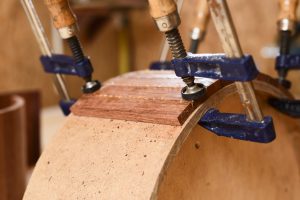
While you’re applying the epoxy, use enough adhesive to cover the bonding surface fully without leaving voids, but avoid excessive application that can squeeze out and create cleanup issues. For larger projects, consider using a notched spreader to ensure an even layer. After joining the surfaces, clamping is usually necessary to maintain contact pressure until the epoxy cures, unless you’re using a reliable, fast-setting epoxy or the project isn’t reliant on structural integrity. Curing time can vary from a few minutes to several hours depending on the specific product and ambient conditions.

Safety Considerations and Best Practices
Working with epoxy resin requires precision and detail, not just for the project itself but for your personal safety. Always wear protective gear, including gloves, goggles, and respiratory protection, if necessary, to shield yourself from epoxy’s potentially harmful effects. You should also avoid skin contact, as epoxies can cause irritations or allergic reactions in some people. If the adhesive does come into contact with your skin, wash it off as quickly as possible with warm water and soap.
It’s also important to maintain a well-ventilated workspace with adequate airflow. Epoxy components can emit fumes that are hazardous to inhale, particularly during the mixing and curing phases. Finally, it’s crucial to be mindful of epoxy disposal. Cured epoxy is considered non-hazardous waste, but you need to dispose of uncured epoxies properly. Never pour leftover epoxy down the drain or release it into the environment. Instead, allow it to fully cure before disposal, or take it to your local waste recycling facility so they can help you take care of disposal.
Hopefully, this in-depth guide to epoxy adhesives for woodworkers helps you transform a good project into a masterpiece that will stand the test of time. Before you tackle any woodworking project, make sure you have a reliable epoxy from a brand you can trust. At Brampton Technology, we craft our selection of epoxy adhesives with our personal formulation designed for impact and weather resistance. Whether you’re repairing or restoring wooden items, let Brampton Technology’s epoxy adhesives be your go-to choice for superior bonding strength and versatility.