
What Are The Benefits Of Thicker Golf Grips For Better Control?
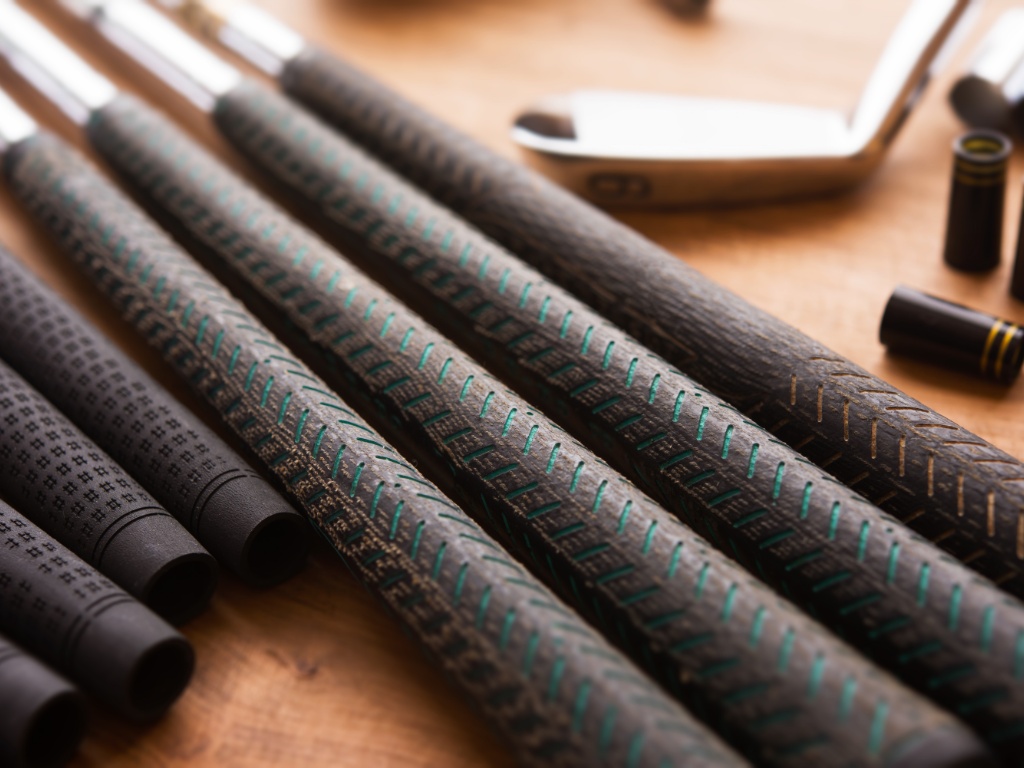
Thicker golf grips reduce hand action and wrist rotation through impact, which can ease a hook for golfers with active hands while also lowering grip pressure and fatigue over a round. Larger hands often find a thicker grip more comfortable, and signs like cramping, blisters, or a club twisting in the hands point toward a size that doesn’t fit. Clean, well-maintained grips matter just as much as size, since dirt and oils can undo the benefits of a properly fitted grip.
Grip size doesn’t get nearly as much attention as shaft flex or clubhead design, yet it changes how a club feels in your hands with every swing. So what are the benefits of thicker golf grips, and is a size change worth considering for your bag?
At Brampton Technology, we work with golfers re-gripping their clubs every season. Let’s see how grip thickness affects feel and performance.
What Are The Benefits Of Thicker Golf Grips
A thicker grip changes how the hands sit on the club and how much they need to work during a swing. For golfers who deal with hand tension or grip the club too tightly, added thickness can ease some of that strain since the hands don’t need to squeeze as hard to keep control.
A few specific advantages come with going thicker:
Reduced hand action: A thicker grip limits excessive wrist rotation through impact, which can help golfers who tend to hook the ball.
Less grip pressure needed: Larger grips fill the palm more, so the hands relax instead of clenching tightly throughout the swing.
Comfort for larger hands: Golfers with bigger hands often find a standard grip feels cramped, while a thicker option fits more naturally.
Reduced fatigue over a round: Less squeezing throughout eighteen holes can mean less soreness in the hands and forearms by the back nine.
We recommend using Brampton’s Regripping Products to easily apply new grips to your clubs, especially if you’re testing out a thickness change for the first time.
How Grip Thickness Affects Your Swing
Grip size has a direct connection to hand action through impact, which then influences ball flight. A grip that’s too thin can encourage too much wrist rotation, sometimes leading to a hook for golfers who already have active hands. A thicker grip slows that rotation down slightly, giving the clubface a more neutral path through the ball.
This doesn’t mean every golfer needs a thicker grip to fix a hook. Swing mechanics, clubface angle at address, and overall technique all play a part. Grip size is one piece of a larger puzzle, and testing different thicknesses on the range before committing to a full set change makes sense for golfers curious about the difference.
Comfort matters just as much as performance here. A grip that feels too small can lead to overcompensating with tension elsewhere in the hands and arms, which throws off rhythm and tempo during the swing.
Signs Your Current Grips Might Be Too Thin
A handful of signs point toward a grip size that doesn’t fit a golfer’s hands or swing style.
Hands feel cramped or tense after a few holes, even on a cool day.
The ball consistently draws or hooks more than intended, despite solid contact.
Calluses or blisters develop in the same spot repeatedly during a season.
The club feels like it’s twisting slightly in the hands during the downswing.
Noticing a few of these patterns warrants a closer look at the current grip size before assuming the issue lies elsewhere in the swing.
Maintaining Grips for Consistent Feel
Grip thickness only tells part of the story when it comes to feel and control. Worn, slick, or dirty grips can undo the benefits of a properly sized grip, no matter how well it fits the hand. Regular cleaning keeps the surface tacky and responsive, which matters as much as the size itself.
Using a golf grip cleaner regularly removes dirt, oils, and sweat buildup that can make even a perfectly sized grip feel slick in humid conditions. Pairing that maintenance with a properly fitted grip keeps a golfer’s connection to the club consistent from round to round.
Making the Switch to Thicker Grips
Changing grip size isn’t a complicated project, but it does require the right supplies and a bit of patience to do it correctly. Stripping old grips, applying solvent, and seating new ones evenly all play into how the final result feels on the course.
A golf grip kit includes everything needed to handle a full set change at home, giving golfers a chance to test thicker grips without scheduling a shop visit. Taking the time to do the job correctly the first time keeps grips seated evenly and ready for the course.
Finding the Grip Size That Fits Your Game
Grip thickness plays a bigger role in comfort and control than golfers often realize. Testing a different size can reveal a noticeable difference in how a club feels through the swing. Paying attention to hand tension, fatigue, and ball flight patterns offers clues about whether a current grip size fits.
Brampton Technology has spent decades supplying golfers with the tools needed to re-grip clubs correctly, from solvents to full kits. Get in touch with our team if you have questions about finding the right grip thickness for your clubs.
FAQs
Do thicker golf grips help with a hook?
A thicker grip can reduce excessive wrist rotation through impact, which sometimes helps golfers prone to hooking the ball. Swing mechanics and clubface angle still play a part, so grip size is one piece of the picture.
How do I know if my grips are too thin?
Signs include cramped or tense hands after a few holes, repeated calluses in the same spot, or a club that feels like it’s twisting during the downswing. Noticing these patterns is worth a closer look.
Are thicker grips better for golfers with larger hands?
Yes. Standard grips can feel cramped for golfers with bigger hands. A thicker option fills the palm more naturally and reduces the need to squeeze the club tightly throughout the swing.