
Golf Club Maintenance: Best Practices To Remember
Over time, after every game and swing, your golf club will see some wear and tear. Whether you’re a seasoned pro or new to the green, taking the time to care for your clubs properly can make a substantial difference in performance and longevity. From cleaning methods to storage solutions, you can review this comprehensive guide to golf club maintenance to discover some essential best practices.
Consistently Clean Your Golf Clubs
Dirt, grass, and debris can accumulate on your clubs after just one round, affecting your play over time. You want to regularly clean your clubs to keep them in top condition. Start by filling a bucket with warm, soapy water—mild dish soap works perfectly.
Then, submerge the clubheads in the water for about five minutes to loosen any grime. Use a soft-bristle brush to gently scrub the clubheads to remove dirt from the grooves. Be sure to pat them dry with a towel afterward to prevent rust.
Cleaning your grips is just as important; simply wipe them down with a damp cloth and allow them to air dry completely. Regularly maintaining the cleanliness of your golf clubs ensures a better grip, more precise swings, and a prolonged lifespan for your clubs.
Keep Your Grooves Clean and Sharp
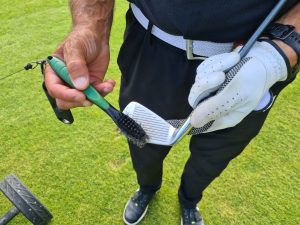
Keeping the grooves of your clubheads clean and sharp is crucial for maintaining optimal performance on the course. The grooves of your clubheads generate backspin and control the ball’s trajectory, so neglecting them can significantly impact your game. After each shot, quickly inspect your clubface and use a specialized groove cleaner to remove any dirt or grass lodged in the grooves.
For a deeper clean, consider using a groove sharpening tool to ensure each groove maintains its original sharpness. This tool helps you restore the edges, enhancing the grip on the ball and improving your shot accuracy. Remember, clean and precise grooves can make all the difference between a decent shot and a perfect one.
Regularly Inspect and Replace Your Grips
Regularly inspecting and replacing your grips can significantly enhance your performance on the green. Over time, grips can become slick, cracked, or worn down, leading to less control during your swing. To start, check your grips for visible signs of wear and tear, such as smooth spots or splits. If you notice any deterioration, it might be time for a replacement.
Regripping your clubs can be a straightforward process that you can do at home with a few tools, or you can take them to a professional for a quick turnaround. Fresh grips offer improved traction and control, making it easier to execute precise and powerful swings. This careful attention ensures your grips are always in top condition, allowing you to maintain consistent performance and comfort in every game.
Inspect the Shafts of Your Clubs
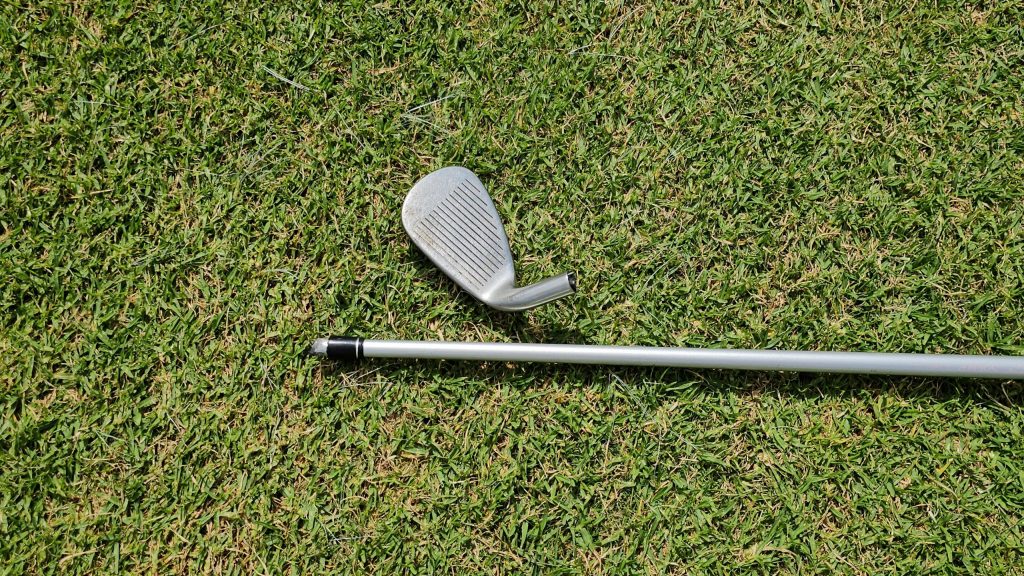
The shafts of your golf clubs are also critical to your swing’s consistency and power, yet they often go overlooked in regular maintenance routines. All you have to do is examine the shaft of your club for any signs of damage, such as dents, bends, or cracks.
These imperfections can drastically affect your performance, leading to unpredictable results on the course. If you discover any issues, it’s best to address them immediately; minor bends might be repairable, but significant damage could require a new shaft. Remember, a straight and well-maintained shaft ensures your club delivers the intended accuracy and power, making each swing feel smooth and controlled.
Oil Your Clubheads
Oiling your clubheads is a simple yet effective way to extend their lifespan and enhance their performance. After a thorough cleaning, applying a light coat of oil can help prevent rust and corrosion, especially if you play in humid or wet conditions. Mineral oil and even baby oil are perfect choices.
With a soft washcloth, gently rub the oil onto the clubheads, making sure the oil reaches all the crevices and grooves. This protective layer acts as a barrier against moisture and dirt, keeping your clubheads in pristine condition. Remember not to oversaturate the clubheads; a thin, even layer will suffice.

Store Your Clubs Properly
Proper storage of your golf clubs is crucial for maintaining their condition and ensuring they deliver the best performance every time you play. After each game, take a moment to dry your clubs thoroughly before putting them away, as moisture can lead to rust and degradation over time. You should also invest in a quality golf bag with individual slots for each club to prevent them from clanging together, which can cause dents and scratches.
Once you’ve grabbed the perfect golf bag, you want to place your clubs in an environment that offers consistent temperature and humidity levels. However, avoid leaving your clubs in the trunk of your car or outside, where they can experience extreme temperature changes and moisture. Additionally, keep your clubs upright in a cool, dry space to maintain the straightness of the shafts.
Check and Adjust Your Loft and Lie
Regularly checking and adjusting the loft and lie angles of your clubs can significantly influence your game. The loft affects the trajectory of your shots, while the lie angle impacts the direction. Using a loft and lie machine, start by measuring the current angles of your clubs. Slight deviations can occur over time, especially if you play frequently or if your clubs accidentally hit a hard surface.
If you notice any discrepancies from the manufacturer’s specifications, carefully adjust the loft and lie to return them to their intended angles. These adjustments might seem minor but can lead to improved shot accuracy and better control on the green.
Practice Care During Play
During play, practicing care with your golf clubs can make a significant difference in their longevity and performance. One of the simplest things you can do is to use headcovers for your woods and putter. These covers protect the clubheads from nicks and scratches, especially when you’re walking the course or transporting your clubs in a cart.
Additionally, when laying your club on the ground, place it on a clean, dry surface to avoid contaminating the clubface or grip with dirt and moisture. Moreover, try to avoid leaning on your club excessively, as doing so can put undue stress on the shaft and throw off its balance.
These best practices for golf club maintenance help you maintain the pristine condition of your clubs and actively improve your game.
Understandably, finding, purchasing, and keeping track of what you need to keep your clubs in top condition can be a hefty task. At Brampton Technology, we’re dedicated to making club maintenance easier, and our golf club regripping kits have everything you need to get started. From grip tape to hook blades, we’ve got you covered.