
Routine Maintenance Best Practices for Boat Owners

Owning a boat is about more than just enjoying the open water and the freedom it brings; it’s a commitment to maintaining your vessel to ensure its longevity and safety. Regular maintenance is essential for extending your boat’s lifespan and ensuring each voyage is as smooth and enjoyable as the last. Explore some routine maintenance best practices for boat owners, from the simple tasks that keep your boat looking pristine to the more complex upkeep that keeps it running efficiently.
Regularly Inspect the Hull
Inspecting the hull of your boat might seem daunting, but it’s an essential step in routine maintenance. This process involves a detailed examination to ensure there are no cracks, blisters, or signs of water intrusion, which could lead to more serious issues down the line. You’ll want to watch for any fading or chalking of the gel coat, as this can indicate oxidation caused by sun exposure. The good news is that regular cleaning and application of a protective wax can go a long way in preventing this.
Follow Manufacturer Guidelines for Engine Maintenance
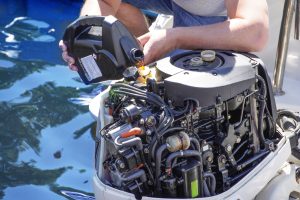
Each engine, whether inboard, outboard, or sterndrive, comes with a manufacturer’s manual that provides a maintenance schedule tailored to its specific needs. Adhering to these guidelines, such as regular oil changes, filter replacements, and checking the cooling system, ensures your engine runs optimally. It’s also important to listen to your engine and stay alert for any unusual noises or performance issues, as these can be early indicators of potential significant problems.
Routinely Check the Fluid Levels
Like with any vehicle, checking the fluid levels in your boat is a vital aspect of routine maintenance that you should never overlook. This includes checking the oil, coolant, and power steering fluids. Regularly monitoring and maintaining these fluid levels ensures your boat’s smooth operation and prevents internal components from overheating and wearing out prematurely.
It’s advisable to check these levels before every outing, as sudden drops in any of these fluids could indicate leaks or other issues that need immediate attention. Additionally, you should familiarize yourself with the types of fluids recommended by your boat’s manufacturer and stick to them to keep your vessel running optimally.

Inspect the Battery for Corrosion
A well-maintained battery is the heart of your boat, ensuring that you can start your engine and keep essential electronics running. Over time, battery terminals and connections can develop corrosion, leading to poor performance and, eventually, failure to start your boat. Regularly inspecting and cleaning the battery and its connections are crucial to prevent this.
After disconnecting the battery, use a wire brush to gently remove any corrosion buildup on the terminals and connections. If you notice significant corrosion, applying a corrosion-resistant spray can help protect them in the future. Also, make sure the battery is securely mounted and the hold-down straps are not frayed or broken. This will prevent excessive movement that could damage the battery or the boat.
Remember, the first step in keeping up with routine maintenance best practices for boat owners should be to inspect the hull for damage—you don’t want a simple crack to turn into a costly repair. Fortunately, if you do pinpoint those nicks or cracks, you won’t need to spend a fortune on repairs. Brampton Technology’s marine epoxy is easy to use, rugged and durable, withstanding even the roughest of seas.