
The Impact of Temperature on Epoxy Bond Longevity
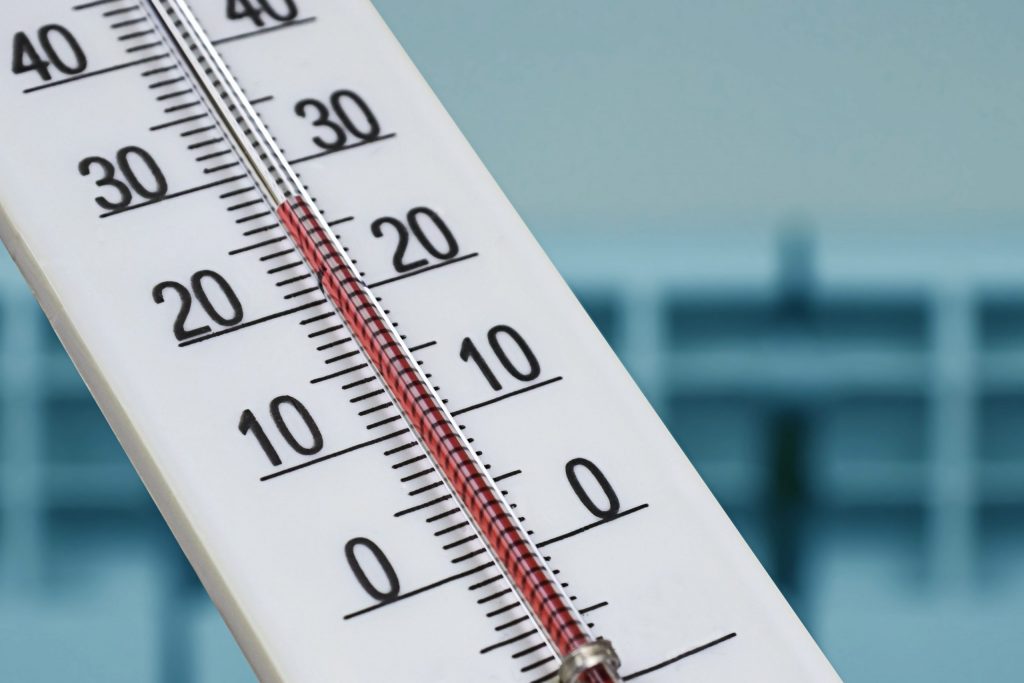
Epoxy, a versatile and strong adhesive, is useful in a variety of applications, from household repairs to industrial assemblies. However, its performance depends on more than how you mix or apply it; the surrounding temperature plays a pivotal role in curing time and the bond’s strength over time. Whether you’re a DIYer or a professional in your industry, understanding the impact of temperature on epoxy bond longevity can help your project remain durable for a long time.
Curing Time
The curing time of epoxy impacts its bonding strength and longevity; temperature swings can speed up or slow down this process. At warmer temperatures, typically around 75 degrees Fahrenheit (24 degrees Celsius) or higher, epoxy cures more rapidly, achieving a solid bond in a shorter span. Avoid curing at too high a temperature, as it may lead to a brittle bond.
On the cooler side, temperatures below 65 degrees Fahrenheit (18 degrees Celsius) can slow the curing process, sometimes even halting it altogether. Using a heat source to maintain a consistent temperature can be a game changer when working in cooler climates or conditions.
Strength and Durability
Temperature also determines the strength and durability of epoxy over time. A bond formed at an ideal temperature retains its strength and adheres well, facing less risk of degradation when exposed to fluctuating temperatures.
While cured epoxy can withstand moderate changes in temperature, extreme heat can soften the bond and reduce its strength. In contrast, intense cold can make cured epoxy brittle, leading to cracks or even complete failure of the bond. Selecting an epoxy formulated for high or low-temperature resilience is crucial for applications facing extreme weather conditions or significant temperature shifts.
Moisture Absorption
Interestingly, temperature fluctuations can also affect the humidity levels surrounding your epoxy project and influence the adhesive’s moisture absorption rates. Warm, humid conditions tend to drive up moisture absorption, potentially weakening the epoxy bond over time by interfering with its chemical structure.
Conversely, the chances of moisture intrusion are significantly lower in cool, dry conditions, maintaining the bond’s integrity. To tackle this challenge, apply epoxy in controlled environments or opt for moisture-resistant epoxy formulations.
Chemical Resistance
Chemical resistance is necessary for epoxy bonds in environments where the bond might be exposed to harsh substances, such as in industrial settings or DIY projects involving cleaners or solvents. The temperature at which the epoxy cures and exists can affect the chemical resistance of the bond.
Epoxy formulations cured at high temperatures generally exhibit stronger resistance to chemicals due to the more complete polymerization of the epoxy resin. You should balance this quality with the risk of weakening the bond through a high cure temperature.
Understanding how temperature impacts epoxy bond longevity can make or break your project, so selecting the right epoxy for your application is an important step. At Brampton Technology, we understand the meticulous nature of working with these adhesives. Our golf club epoxy comes in various curing times, and we provide you with the exact temperature recommendations to achieve a perfect bond that can withstand your swing speeds.