
Common Mistakes To Avoid When Using 2-Part Epoxy
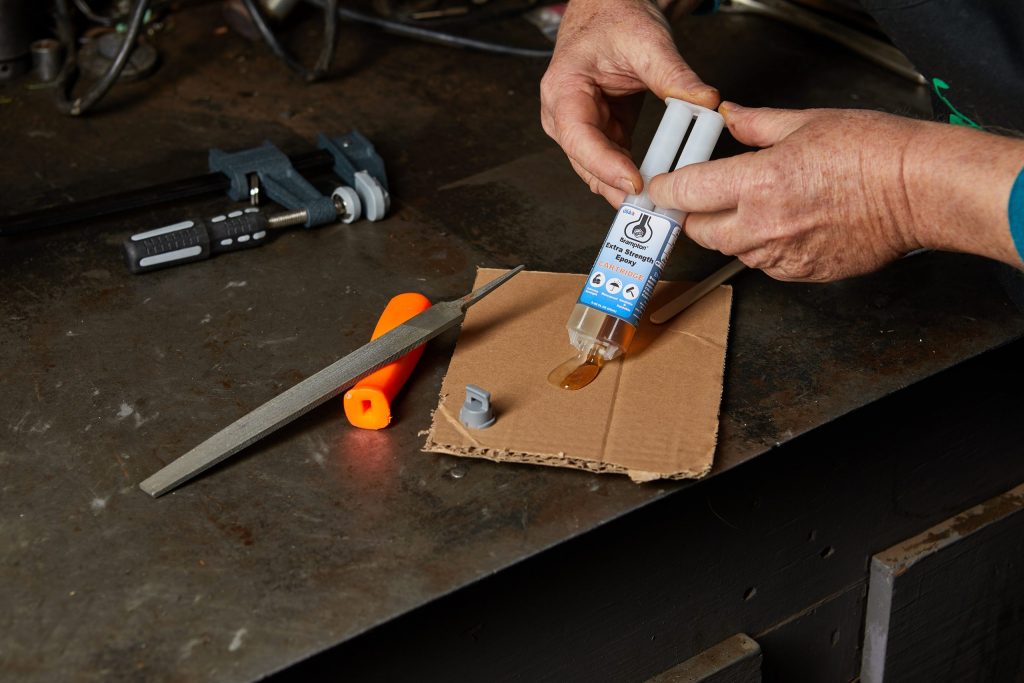
From mariners to golfers all the way to DIYers and home repair enthusiasts, people have long been selecting 2-part epoxy as their tool of choice when they’re in need of touch bonding solutions. However, it’s important to know the pitfalls that can hinder its performance so that you can unlock its full potential.
To help ensure your next project or repair job goes smoothly, take a look at the most common mistakes to avoid when using a 2-part epoxy.
Not Adequately Preparing the Surfaces
One of the most widespread mistakes when using a 2-part epoxy is overlooking the preparation stage. Think of this as laying the foundations for a house; no matter how strong and detailed your construction materials are, they won’t perform well on unstable ground.
The same goes for your epoxy. The surfaces you’re working with must be clean, dry, and roughened to allow for maximum adhesion. Dust, oil, and moisture can act as a barrier against the epoxy, and a completely smooth surface will prevent the epoxy from fully bonding.
Mixing the Epoxy Incorrectly
It may seem straightforward to combine and apply the two components. However, an epoxy system will require an equal, precise ratio of resin to harden. If these proportions are off, the epoxy won’t cure properly, leaving you with a weak bond.
Additionally, it’s important to mix the two parts thoroughly. Incomplete mixing can lead to areas where the hardener hasn’t fully combined with the resin, preventing the epoxy from reaching its optimal strength.
Applying Too Much or Too Little Epoxy
Applying too much or too little epoxy can lead to unsatisfactory results. Using an excessive amount of epoxy might seem like a safer bet; however, it can create a weaker bond, as the surplus epoxy can prevent the materials from fitting together.
However, using too little epoxy might not provide sufficient coverage, leading to weak points in the bond and a failure to adhere. It’s crucial to strike the right balance—ensure you apply enough epoxy to cover the entire surface without leaving excess.
Not Allowing Enough Time for Curing
Epoxy isn’t like standard glue; it requires a chemical reaction to cure and achieve the desired strength and stability. Rushing the curing process can severely compromise the bond’s integrity, leaving you with a brittle or flexible result that can easily fail under stress.
The cure time can vary based on the epoxy’s formulation, the application temperature, and the volume of epoxy used. This means referring to the manufacturer’s instructions for the recommended cure time is vital.
Not Using Protective Equipment
While versatile and effective, epoxy can also be hazardous if not handled with care. Direct contact with the skin can cause irritation, prolonged exposure can lead to more serious health issues, and the fumes can be harmful if inhaled.
Gloves are necessary to prevent skin contact, and if you’re working in an enclosed space, a respirator mask is equally important to protect against harmful vapors. Safety glasses can also provide an added layer of protection, particularly when mixing or applying epoxy.
Avoiding these common mistakes when using a 2-part epoxy will ensure you get the most out of this material. However, even if you use it perfectly, a poorly formulated epoxy will result in a weak bond. That’s why you should trust Brampton Technology’s durable 2-part epoxy adhesive for all your bonding and repair needs.